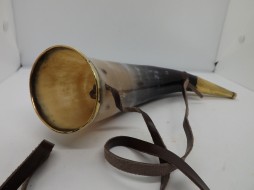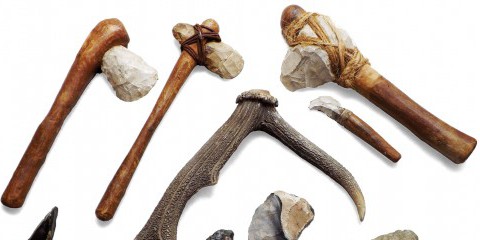
Britain has one of the most fascinating prehistoric histories of any country in the world. For such a small island, the evidence of our ancient ancestors is all around us. From worked flint and hill forts to mysterious stone monuments and traces of long-abandoned villages, these discoveries offer valuable clues about how people lived thousands of years ago. During this Topic Day, students will get the chance to handle real prehistoric artefacts from local excavations and investigate what life was like before written records began, uncovering the daily lives, skills, and challenges of Britain’s earliest communities.
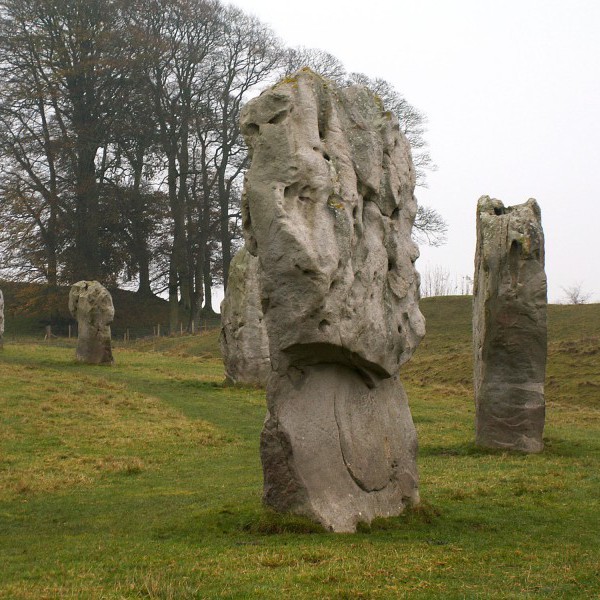
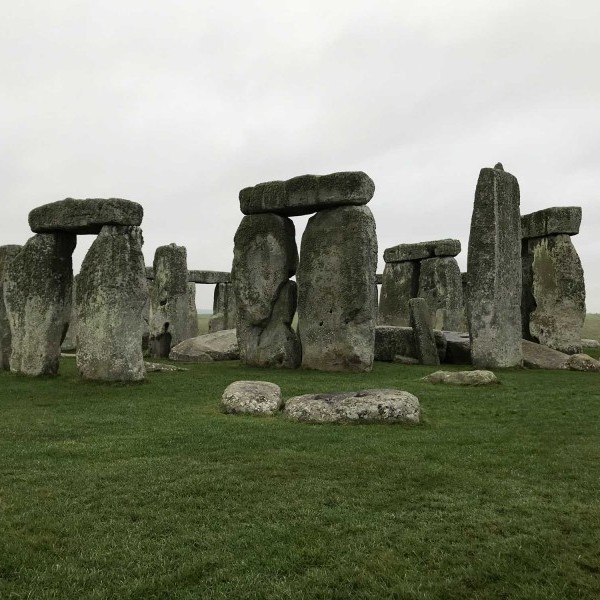
Prehistory
Step back thousands of years to the earliest history of our islands!

BPSP1
What was it like to live in a Bronze Age village?
Archaeology is about discovering the answers to questions.
During this session, classes will be introduced to the concepts of archaeological questioning, before being set their own question to research.
Drawing on a range of archaeological sources, including artefacts, scientific analysis and excavation records, children will be shown how to gather information, from these unlikely sources, and use it to interpret what the past was like.
Through their investigations classes will be able to uncover evidence for the types of foods eaten during the Bronze Age, the crafts created, the jobs that needed to be done and the houses that were built.
Using the results of their investigations classes will then be shown how to present their findings in archaeological illustrations.

BPSP2
The Five Phases of Britain’s Prehistory
Our specialist session on the five phases of British prehistory offers pupils an interactive and hands-on way to explore the story of Britain before written records began. Students will investigate each phase—from the earliest Stone Age communities to the end of the Iron Age—using both primary and secondary sources to uncover evidence of how people lived, worked and had fun.
The session is designed to link all discoveries into a clear, chronological timeline, helping pupils see the flow of history and understand the connections between the different periods. As part of the activity, children will map key sites and artefacts across Britain, developing their research, analytical, and geographical skills while building a visual representation of the prehistoric landscape around them.
By the end of the session, pupils will not only have a deeper understanding of Britain’s prehistoric past, but will also have gained experience in examining evidence, drawing conclusions, and presenting historical information—all through engaging, practical, and interactive activities.

BPEX1
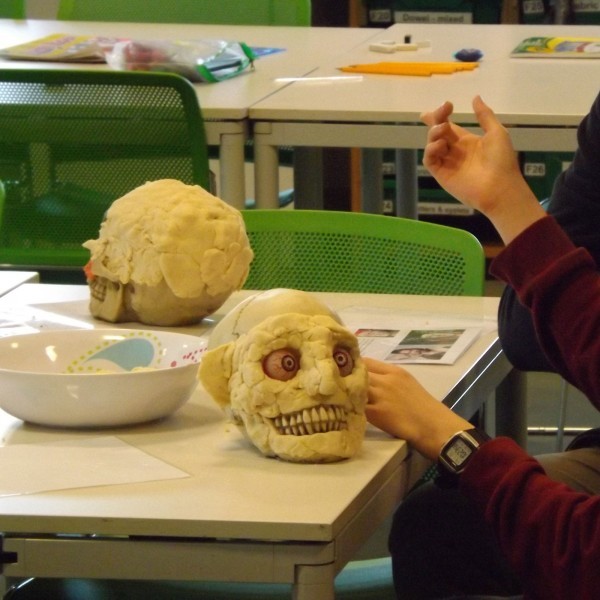
Prehistory Facial Reconstruction - The Story of the Amesbury Archer
This exciting additional activity introduces pupils to the fascinating archaeological process of facial reconstruction. Using the real-life story of the Amesbury Archer, students will learn how archaeologists have uncovered remarkable details about him from his skeleton, including his age, health, lifestyle, and even where he may have travelled from.
While teachers will facilitate the session Time Seekers will provide all the necessary materials and guidance. This practical activity encourages children to think like real archaeologists, combining scientific evidence with creative problem-solving. Through this session, pupils will gain a unique insight into how archaeologists interpret skeletal remains to tell a personal story, while developing skills in observation, reasoning, and artistic representation. It’s a memorable, tactile experience that makes history tangible and sparks curiosity about the people of the past and who they were as individual characters.
Resources Cost
There is no extra charge for this session.
BPEX2
Hunter Gather Game
Introduce your pupils to the fascinating world of Hunter-Gatherers with our engaging Stone Age board game, carefully designed for KS2 classrooms and fully aligned with the history curriculum.
Through structured gameplay, students will explore what life was like during the Stone Age, discovering how Hunter-Gatherer communities survived by using the natural resources around them. As they move around the board, pupils will identify and collect animals that were hunted, such as deer and wild boar, alongside plants that were gathered, including berries, nuts and edible roots. The game supports children in understanding how these resources were used in a variety of ways — from preparing nourishing meals to creating clothing from animal skins and crafting tools from bone, wood and stone.
Designed with collaboration at its heart, the game promotes teamwork, communication and positive social interaction as players work together to gather supplies and ensure their community survives and thrives. Ideal for whole-class teaching or small group activities, this interactive resource deepens understanding while strengthening essential classroom skills.
Resources Cost
There is no extra charge for this session.

BPEX3
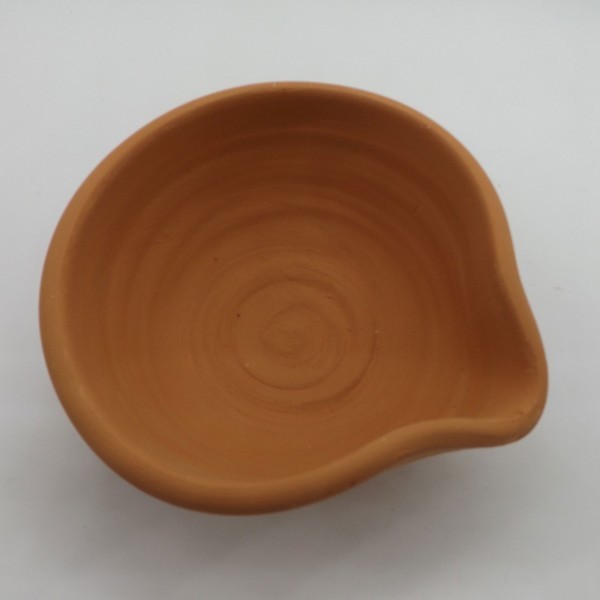
Prehistoric Pottery
In this additional session, pupils will explore the art and science of prehistoric pottery. They will examine real examples and learn how experimental archaeology has helped uncover the techniques, designs, and uses of pottery in prehistoric communities. Through a varied range of evidence, children will discover how early people shaped clay to store, cook, and transport food, and how these artefacts reveal insights for daily life in the past.
Pupils will then create their own press pottery using air-dry clay, experimenting with shaping and decorating their pieces. They will use methods and resources inspired by prehistoric times, such as natural tools, impressions, and simple patterns, bringing ancient techniques to life in a practical, hands-on way.
Resources Cost
There is an extra charge of £1 per child for this activity. The children will be able to keep any pottery that they make during the session.

BPEX4
Magic Mirrors
What will you see?
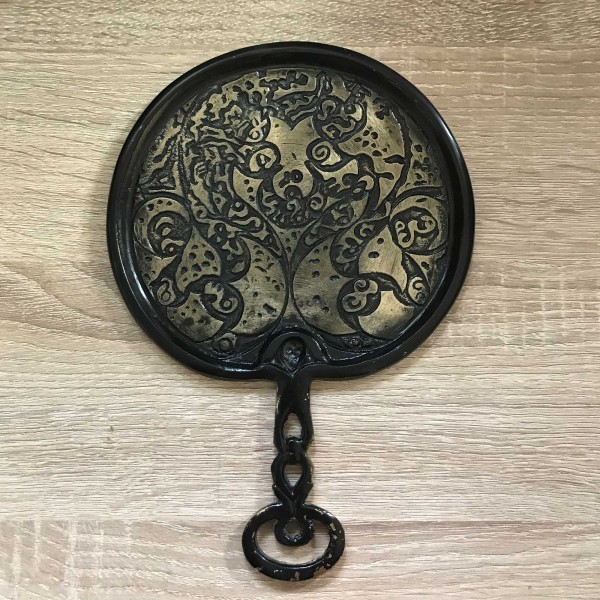
During the Iron Age, a selection of ornate mirrors were created. Many of these mirrors were decorated with swirling, curvy linear designs. A style known as La Tène.
These mirrors are today one of the biggest enigmas of Prehistory. The La Tène designs are thought to hide mysterious images of plants, animals and faces. But everyone sees something different.
During this session, discover more about the La Tène mystery and decide for yourself the answers to these key archaeological questions. Why were these mirrors made? Who where they made for?
Resources Cost
There is no extra cost for this session