Archaeology

Archaeology

Pick up the trowel and dig into archaeology!

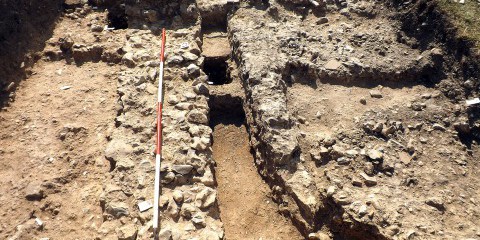
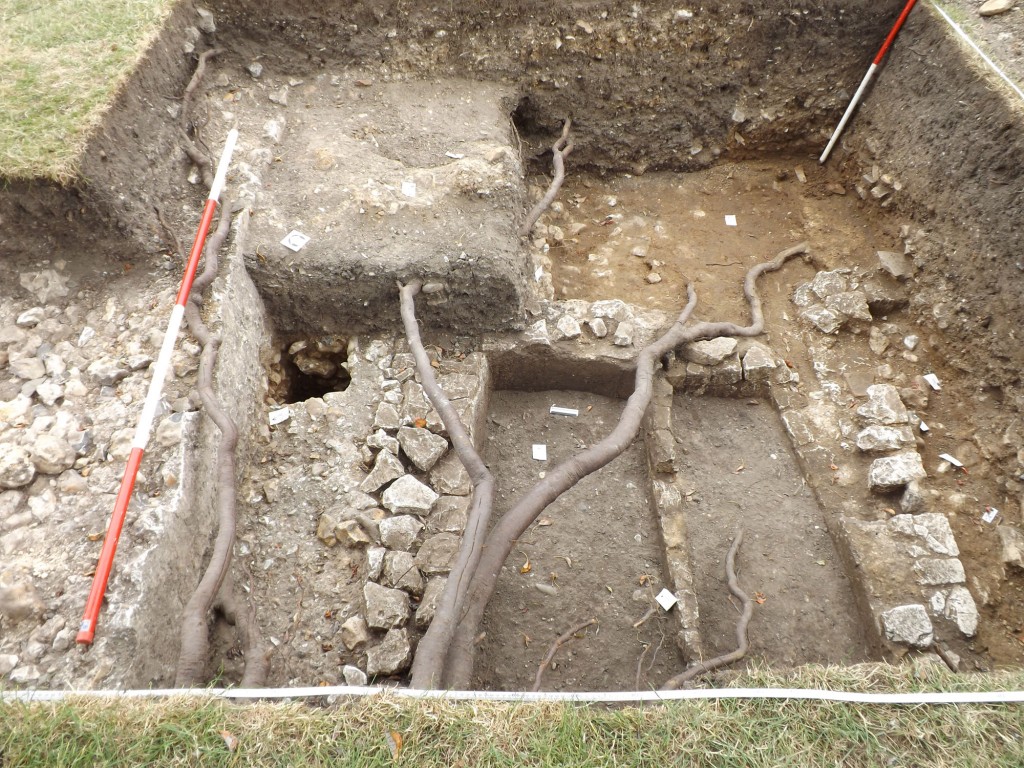
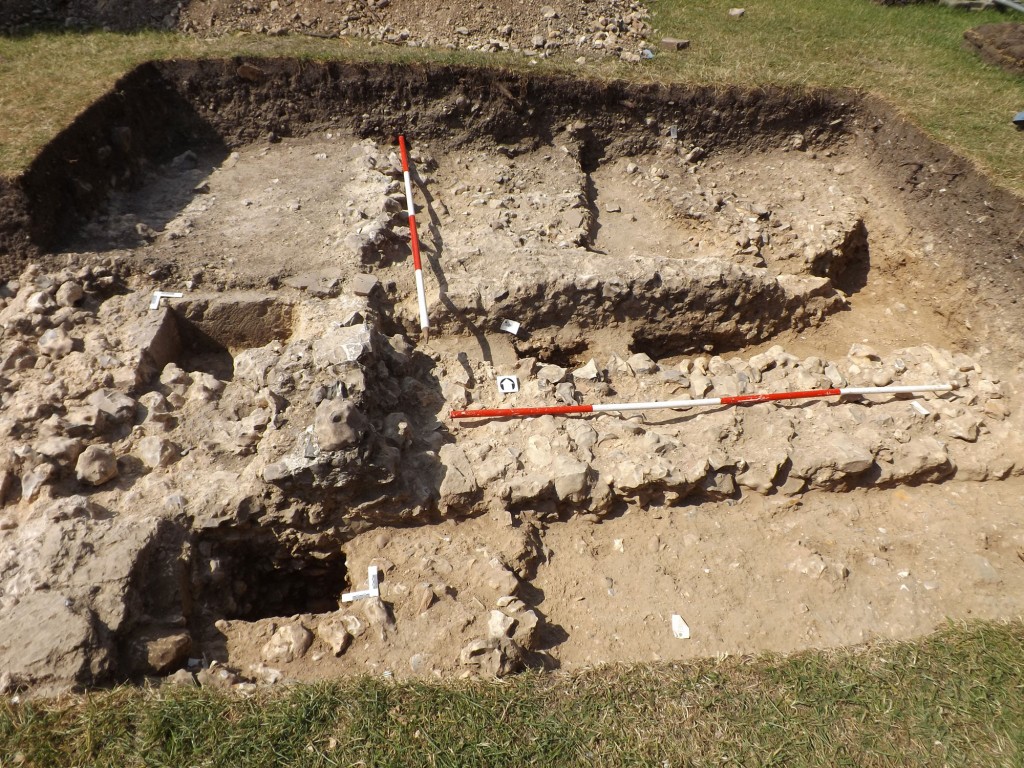
Archaeology is the study of the human past through the objects and evidence people have left behind. By combining excavation with research, archaeologists build up a picture of history—from recent times all the way back to the earliest prehistoric periods.

This flexible session can be adapted to support any history topic you are teaching.

During the Topic Day, pupils will step into the role of archaeologists, developing practical enquiry skills they can apply to their current topic. Through hands-on activities, investigation and simple experiments, children will actively explore how evidence is used to understand the past and gain a real sense of what it’s like to work in archaeology.

All activities and learning opportunities are carefully planned by a qualified teacher and are fully aligned with the National Curriculum. The ethos behind the day is to give pupils the chance to explore, question and develop their historical skills in a meaningful and memorable way, building curiosity and a deeper understanding of the past.
asp1-how-does-archaeology-work.jpg

SPA1

How Does Archaeology Work?

Experience the profession of archaeology. 

This specialist session introduces pupils to the key concepts and methods used by archaeologists. Designed to spark curiosity and build confidence, it provides an engaging starting point for any history topic.

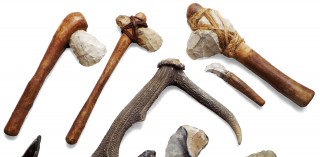
Pupils will explore the different types of evidence archaeologists use, including both primary and secondary sources. They will then apply their knowledge by examining and identifying artefacts, learning how these objects help us understand archaeological sites and the time periods they come from.

The session is highly interactive, with a range of practical activities that encourage investigation, discussion and problem-solving. Pupils will also have the opportunity to handle real and replica materials, helping them to make meaningful connections with the past. To deepen engagement, the session includes sensory elements—such as exploring historical smells—allowing children to experience aspects of history in a memorable and immersive way.

Carefully planned and curriculum-linked, this session supports the development of key historical enquiry skills while encouraging pupils to think critically about the evidence they encounter.

SPA2

Mapping our Timeline

Take your class on a journey through time with this engaging, map-based archaeology workshop. Mapping Our Timeline is designed to help pupils develop a clear understanding of chronology while exploring the rich archaeological heritage of their local area.

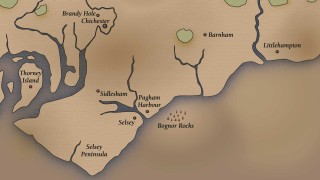
Using maps and carefully designed reference cards, pupils will plot local archaeological sites and begin to see how their surroundings have changed over time. The session starts in the present day and gradually moves backwards through history, guiding children step by step to prehistoric Britain.

As pupils move through each time period, they will handle a range of primary and secondary sources, including artefacts linked directly to the era being studied. These hands-on experiences encourage children to ask questions, spot patterns and make connections between evidence and historical change.

Blending geography, history and enquiry-based learning, this workshop supports pupils in building a strong sense of timeline and deepening their understanding of how the past is uncovered and interpreted.

aex2-excavating-and-recording.jpg

AEX1

Archaeological Skills

Try your hand at the core skills of an archaeologist. 

Give your pupils the opportunity to work like real archaeologists in this practical, skills-based workshop. Archaeological Skills is designed to develop key enquiry techniques through a series of engaging, hands-on activities.

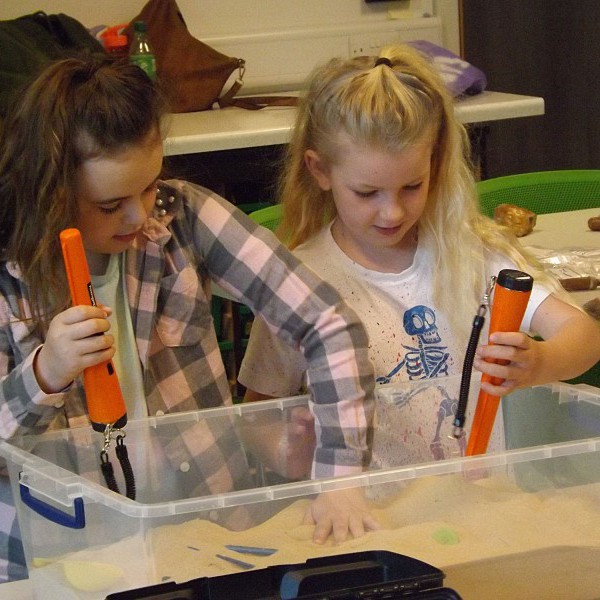
Working in small groups, pupils will rotate through a range of carefully planned tasks that introduce different methods used in archaeology. Activities include metal detecting, using mini microscopes to closely examine finds, researching place names for clues about the past, studying geophysical surveys and lidar data to spot sites, carrying out table-top excavations in trays, and identifying and recording artefacts.

Each activity encourages observation, questioning and critical thinking, helping pupils to understand how evidence is discovered, analysed and interpreted. The carousel format keeps children actively involved while allowing them to build confidence in using a variety of archaeological tools and approaches.

Fully aligned with the National Curriculum, this workshop supports the development of historical enquiry skills in an interactive and memorable way.

Resources Cost 

There is an extra charge of £2 per child if table top excavations are included.

aex1-metal-detecting.jpg

AEX2

Archaeological Illustration

Visualise the past

In this creative and investigative workshop, pupils explore how archaeologists use evidence to reconstruct the past visually. Drawing on a range of sources, children will gather clues about what an archaeological site may have looked like and how it might have been used.

Following an introduction to the purpose and style of archaeological site illustration, pupils will work either individually or collaboratively to create their own reconstruction of a site. They will be encouraged to think carefully about scale, detail and evidence, using their historical knowledge to inform their designs.

Pupils can choose to work using traditional drawing materials such as paper and pencils, or explore a more hands-on approach using tactile construction resources such as LEGO. This flexible format allows all learners to engage creatively while developing their understanding of how archaeologists interpret and present the past.

Resources Cost 

There is no extra charge for this activity.

aex4-experimental-archaeology.jpg

AEX3

Experimental Archaeology

Create a piece of the past for yourself and discover how history worked.

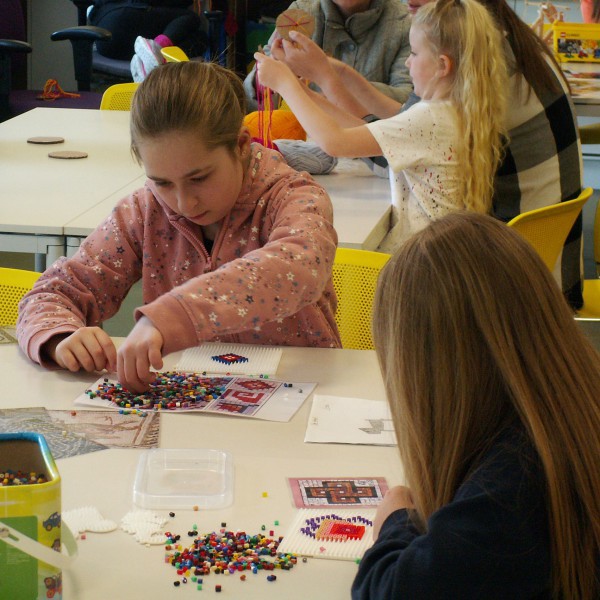
This hands-on workshop introduces pupils to the exciting field of experimental archaeology, where the past is explored by recreating ancient techniques, objects and activities. By testing ideas through practical experience, children will begin to understand how people in different historical periods may have lived, worked and created.

A range of engaging activities can be offered as part of this session, allowing schools to tailor the experience to their topic and budget. These may include pottery making, mask making, facial reconstruction, historical games and sports, mosaic making, and illuminating letters. Some activities may involve a consumables charge, depending on materials used.

To discuss options and create a bespoke session for your class, please contact Time Seekers.

Resources Cost 

There will be an extra charge for this session depending on the chosen activity. Please contact Time Seekers for more information.